Lassoed Into Legend: The Surprisingly Wild Origin Story of Wonder Woman
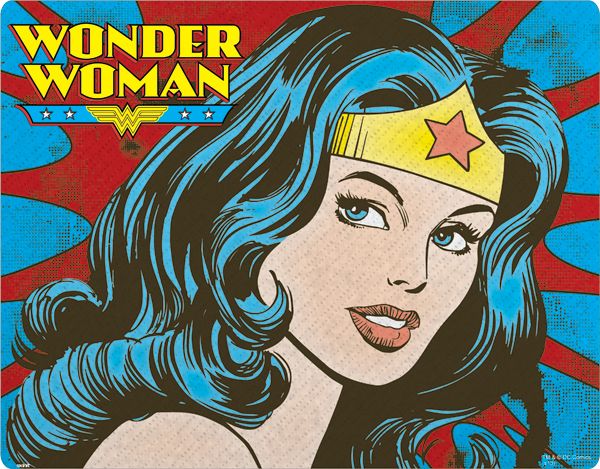
Wonder Woman didn’t arrive as just another cape-and-cowl crimefighter—she burst onto the scene as a bold idea with a mission. Debuting in 1941, she was created during a moment when the world was on fire with World War II, and American pop culture was packed with tough-talking heroes who solved problems with fists first and questions never. Into that landscape stepped Diana, a superhero who could absolutely throw down, but who was also designed to represent compassion, truth, and a different kind of strength. From the start, Wonder Woman was meant to be more than entertainment. She was built as a statement.
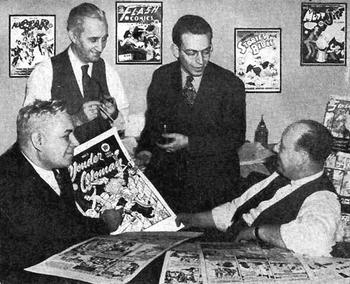
Her creator, psychologist William Moulton Marston, had a unique résumé for a comic-book architect. He was fascinated by human behavior, emotions, and the power of persuasion, and he believed popular media could shape society for the better. Marston argued that the world needed a heroic model who didn’t simply dominate through brute force—a figure who could lead through empathy, love, and moral clarity. He envisioned a female hero who could match Superman’s power and Batman’s resolve, but who would also push readers to rethink what “strength” could look like. In other words: not a sidekick, not a love interest, not a token—an icon.
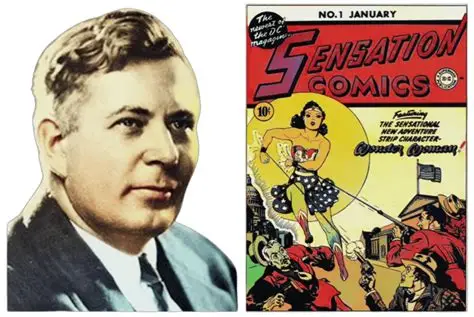
To help bring that icon to life, Marston drew inspiration from myth, history, and contemporary debates about women’s roles. The Amazons, legendary warrior women from Greek mythology, became the backbone of Wonder Woman’s identity. In the comics, they were reimagined as an advanced society living on a hidden island called Paradise Island (often later called Themyscira), free from war and ruled by Queen Hippolyta. Diana is formed (in early versions) from clay and given life by the gods, which instantly sets her apart from the typical “born in Kansas” hero template. She isn’t just another person who got powers—she’s a mythic champion crafted for a purpose.
Wonder Woman’s classic tools weren’t random cool accessories; they were storytelling with a point. The Lasso of Truth, for example, is basically Marston’s worldview turned into superhero gear—truth as an unstoppable force, not merely a courtroom ideal. Her bracelets, which deflect bullets, echo Amazon training and discipline, while her tiara and regal styling underline that she’s not playing pretend: she’s a princess, an ambassador, and a warrior rolled into one. Even her earliest adventures often revolved around the clash between violent human conflict and the possibility of a more just world—an origin that makes her feel timeless no matter the era.
Of course, Wonder Woman’s creation was also deeply shaped by the people around Marston. Artist H.G. Peter gave her early look a distinct, classical presence, blending patriotic flair with mythic grandeur. Meanwhile, Marston’s personal life and ideas about relationships and power dynamics have fueled decades of discussion about themes embedded in those earliest stories. That’s part of what makes her origin so fascinating: Wonder Woman isn’t just a character who appeared fully formed—she’s a cultural artifact, reflecting big, messy, ambitious conversations about gender, authority, morality, and freedom.
Over the years, her origin has been retold, revised, and reinterpreted—sometimes emphasizing the clay-and-gods mythology, sometimes leaning harder into Olympian politics, and sometimes adjusting details to match modern storytelling. But the core remains remarkably consistent: Wonder Woman comes from a place apart, enters “Man’s World” not to conquer it, but to change it, and carries ideals that challenge the status quo. That’s why her origin still hits. It’s not only about where she’s from—it’s about what she’s for.
In a superhero genre often obsessed with trauma as fuel, Wonder Woman’s origin is refreshingly purposeful. She isn’t driven by vengeance, accident, or pure ego. She’s sent as a bridge between worlds, armed with strength and guided by principle. And whether she’s written as a mythic demigoddess, a warrior diplomat, or the moral center of a larger hero community, the magic trick still works: she feels like a legend walking around in real life, telling everyone else to raise their standards.